

HOW YOUR DIET CAN INFLUENCE HAY FEVER
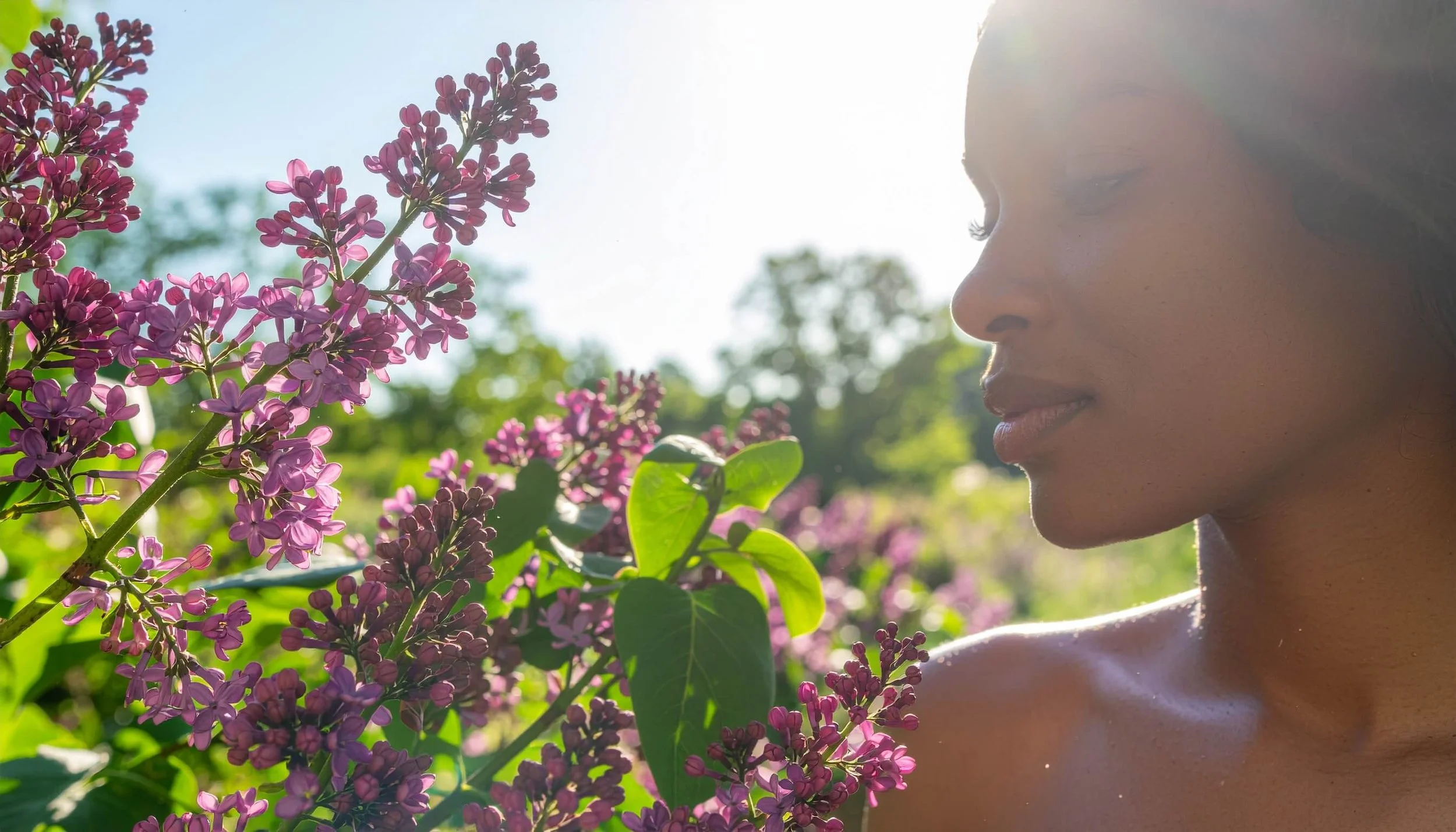
Take Control of Hay Fever Season with Simple Nutrition Strategies
Hay fever, also known as allergic rhinitis, affects millions of people each year. It typically shows up as sneezing, itchy eyes, a runny or blocked nose, and general fatigue during pollen season. While most people rely on antihistamines for relief, research increasingly shows that diet can play a supportive role in how the body responds to allergens (Zhang et al., 2023).
What’s important to understand is that hay fever isn’t just about pollen exposure. It’s about how your immune system reacts to that pollen. Two people can be exposed to the same environment, yet experience very different symptoms. Nutrition cannot remove pollen from the air, but it can influence how reactive your immune system is, how much inflammation your body produces, and how well your body tolerates allergens.
Understanding the Immune Response in Simple Terms
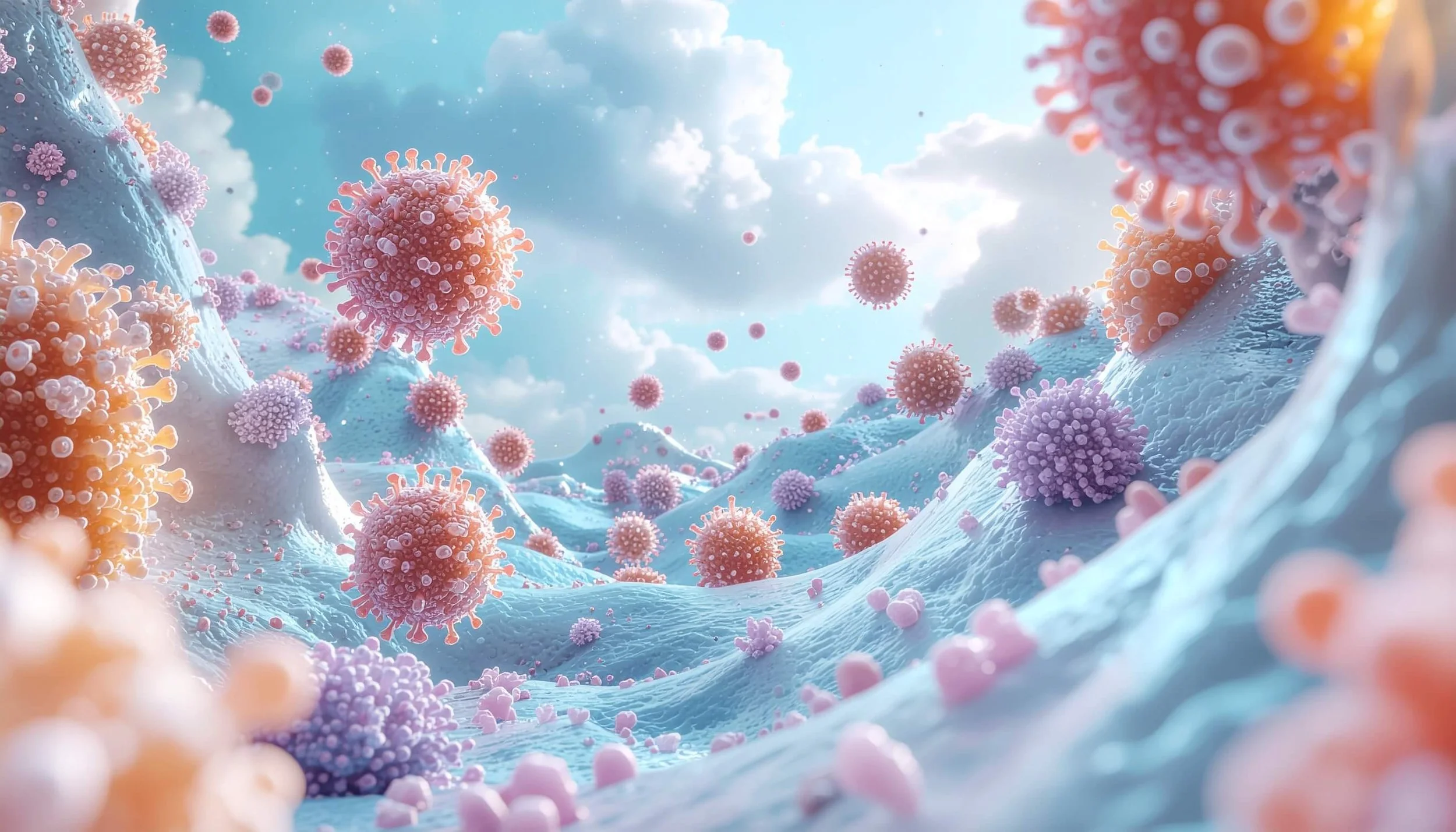
Hypersensitivity to pollen can cause an allergic reaction causing an immune response.
When someone with hay fever inhales pollen, their immune system mistakenly treats it as a threat. This triggers the production of antibodies, which then activate specialised immune cells called mast cells.
Mast cells can be thought of as the body’s “early warning system.” They sit in areas like the nose, lungs, and skin, ready to respond quickly to anything the body perceives as harmful. When activated, they release histamine, a chemical that causes the familiar symptoms of hay fever such as sneezing, itching, and swelling.
This process is known as a Type I hypersensitivity reaction. In simple terms, this means the immune system is overreacting quickly to something that is actually harmless.
How Diet Influences the Immune System
The connection between diet and hay fever lies in how food interacts with the immune system. One important concept is immune cell signalling, which refers to how immune cells communicate with each other. These signals determine whether the immune response is calm and controlled, or exaggerated and inflammatory.
Closely linked to this are inflammatory pathways, which are the body’s internal processes that control inflammation. Some dietary patterns can overstimulate these pathways, leading to a more reactive immune system, while others help regulate and calm them.
Another key factor is the gut microbiome. The gut contains trillions of bacteria that play a crucial role in training the immune system. A well-balanced gut microbiome helps the body distinguish between harmful threats and harmless substances like pollen. Diet is one of the most powerful ways to influence this balance (Zhang et al., 2023).
The Role of Dietary Patterns
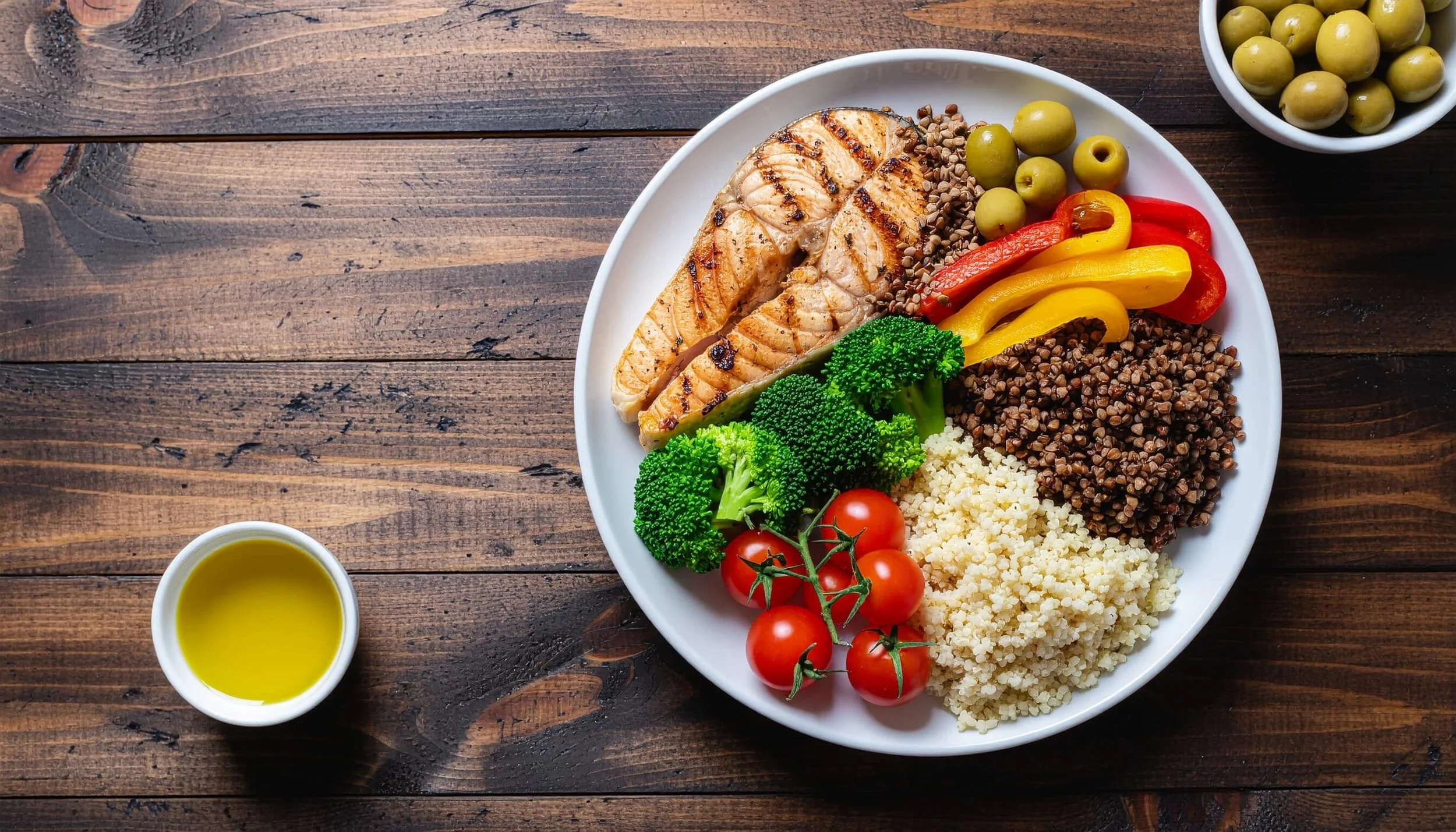
Mediterranean diet foods have been associated with a lower risk of allergic conditions
Rather than focusing on individual “superfoods,” research consistently shows that overall dietary patterns have the greatest impact. One of the most well-studied approaches is the Mediterranean-style diet, which has been associated with a lower risk of allergic conditions such as hay fever and asthma (Wang et al., 2024).
This way of eating works because it supports multiple aspects of immune health at once. It is naturally rich in vegetables, fruits, whole grains, legumes, nuts, and healthy fats like olive oil, while being low in ultra-processed foods. These foods provide a combination of fibre, antioxidants, and beneficial fats that help regulate inflammation and support the gut microbiome.
A similar benefit is seen in diets high in plant-based, fibre-rich foods. Around 70% of the immune system is linked to the gut, and dietary fibre feeds beneficial gut bacteria. When these bacteria break down fibre, they produce compounds called short-chain fatty acids, which help reduce inflammation and train the immune system to be less reactive (Wang et al., 2024). In simple terms, a healthier gut environment helps create a calmer immune response.
Antioxidants and Their Protective Role
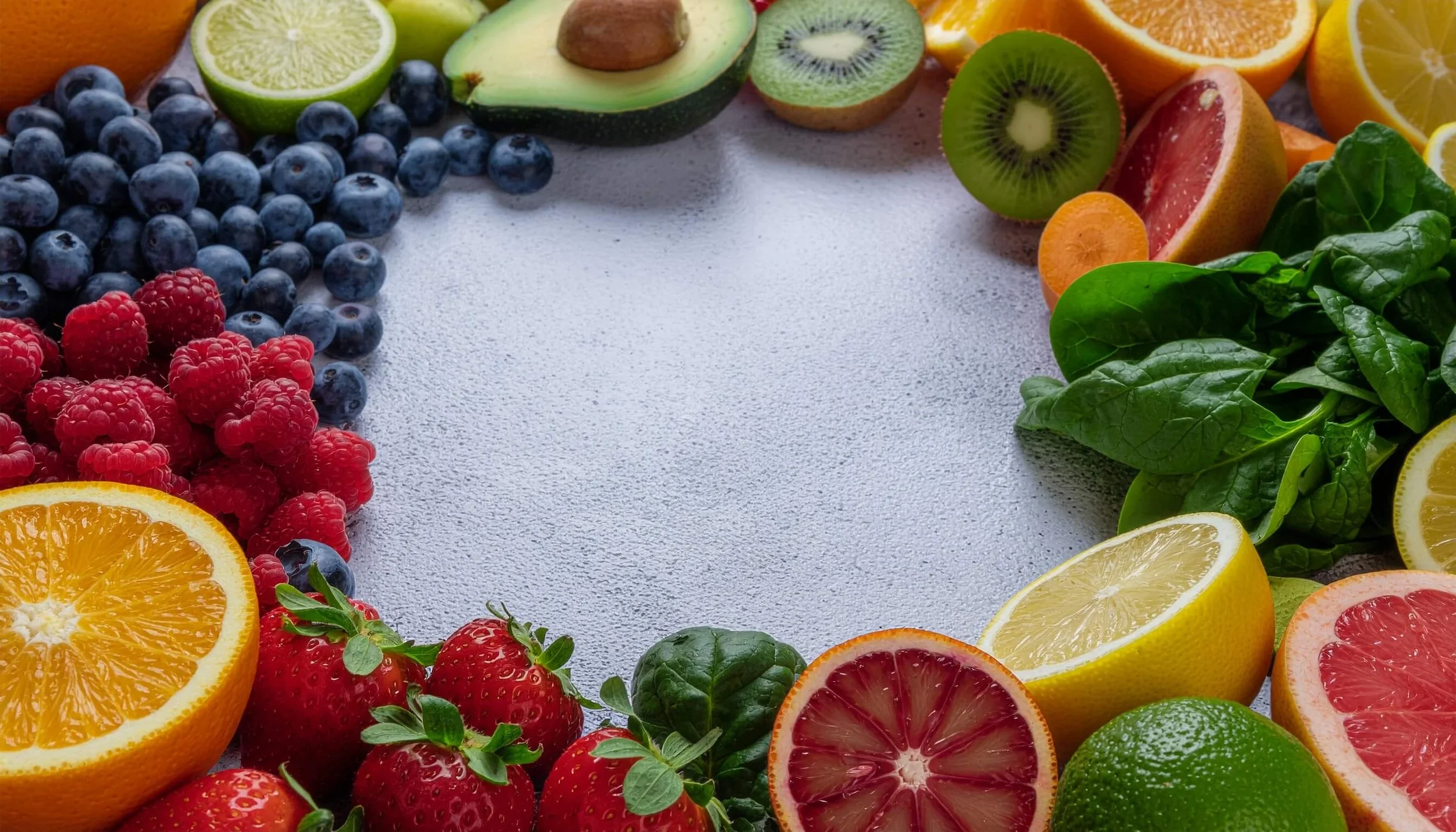
Antioxidant foods include colourful fruits such as berries and leafy vegetables.
When the body reacts to pollen, it produces substances known as reactive oxygen species. These are unstable molecules that can damage cells and increase inflammation in the airways.
Antioxidants, which are found in many plant-based foods, help neutralise this damage. They act as a defence system, reducing the impact of these harmful molecules and calming inflammatory responses. Vitamin C, for example, has been shown to help lower histamine levels in the blood, which may reduce the severity of symptoms.
Foods rich in antioxidants include berries, citrus fruits, leafy greens such as spinach and kale, as well as colourful vegetables like peppers and carrots. Diets rich in these foods have been associated with lower levels of allergic symptoms (Tian et al., 2025).
Omega-3 Fatty Acids and Inflammation Control

Omega-3 rich foods include oily fish, nuts such as walnuts and seeds
Omega-3 fatty acids play a particularly important role in regulating inflammation. Unlike many components of the modern diet that promote inflammation, omega-3s help the body switch off inflammatory processes once they have been activated.
They do this by reducing the production of inflammatory compounds and supporting the creation of molecules that actively resolve inflammation. This is especially relevant in hay fever, where excessive inflammation drives many of the symptoms.
Oily fish such as salmon, mackerel, and sardines are among the best sources of omega-3s, while plant-based options include flaxseeds, chia seeds, and walnuts. Research suggests that these fats can help modulate immune responses and reduce allergic inflammation (Zafrilla et al., 2025).
Polyphenols: Natural Anti-Allergy Compounds
Polyphenols are naturally occurring compounds found in plant foods that have anti-inflammatory and anti-allergic properties. Some of these compounds, such as quercetin, have been shown to stabilise mast cells, meaning they are less likely to release histamine.
They also influence inflammatory pathways and help reduce the signals that drive allergic reactions. This makes them particularly interesting in the context of hay fever.
Foods rich in polyphenols include onions, apples (especially with the skin), berries, green tea, and spices such as turmeric. These foods can be easily incorporated into everyday meals and may provide additional support during allergy season (Dębińska et al., 2023).
Vitamin D and Immune Balance

The best source of Vitamin D is sunshine. Dietary sources include fortiied foods, fish and eggs.
Vitamin D plays a unique role in the immune system by helping to regulate rather than stimulate it. It supports the development of immune cells that promote tolerance, reducing the likelihood of overreaction to harmless substances like pollen.
It also helps maintain the integrity of the body’s physical barriers, such as the lining of the nose, which acts as a first line of defence against allergens.
In the UK, vitamin D deficiency is relatively common due to limited sunlight exposure, particularly in the autumn and winter months. Low levels have been associated with an increased risk of allergic conditions (Hendaus, 2016). Sources include sunlight, oily fish, egg yolks, and fortified foods.
Probiotics, Gut Health and Emerging Evidence
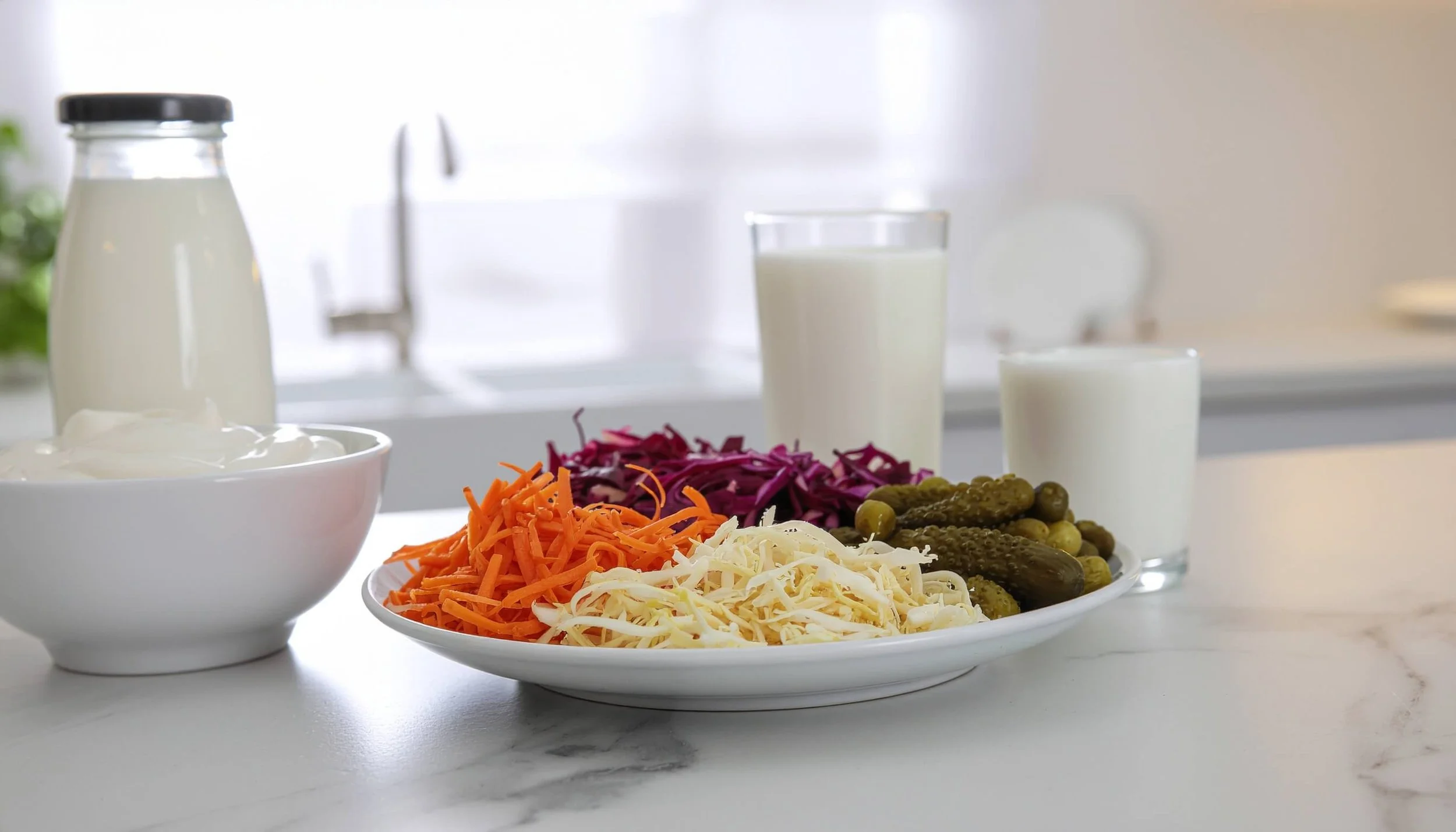
Probiotic foods include yogurt and fermented vegetables that support gut health and immunity
There is growing interest in the role of probiotics in managing allergic conditions. Probiotics are beneficial bacteria that can support gut health and influence immune signalling. However, the evidence is still developing, and results vary depending on the strains used and the individual.
Similarly, honey has been suggested as a potential supportive strategy. Some studies indicate that it may help reduce symptoms, possibly due to its anti-inflammatory properties and low-level exposure to pollen. However, the evidence remains limited and should be interpreted cautiously (Pellow et al., 2020).
A Balanced Perspective
It is important to emphasise that dietary changes are supportive strategies rather than cures. Hay fever is influenced by a combination of genetics, environmental exposure, and immune function. No single food or nutrient can prevent it entirely.
The benefits of nutrition come from consistent, long-term dietary patterns rather than quick fixes. Over time, these habits may help reduce the severity of symptoms and improve overall resilience.
Final Thought
A helpful way to think about this is to imagine your immune system as a smoke alarm. In hay fever, that alarm is overly sensitive, going off even when there is no real danger like when you burn your toast in a toaster. Nutrition can help reset that sensitivity, allowing the immune system to respond more appropriately rather than overreacting.
References
Dębińska A. et al. Dietary Polyphenols—Natural Bioactive Compounds with Potential for Preventing and Treating Some Allergic Conditions. Nutrients. 2023, 17(15):4823. Available from: https://pmc.ncbi.nlm.nih.gov/articles/PMC10674996/
Hendaus MA. Allergic diseases among children: nutritional prevention and intervention. Ther Clin Risk Manag. 2016;12:361–372. Available from: https://pmc.ncbi.nlm.nih.gov/articles/PMC4788360/
Pellow J. et al. Health supplements for allergic rhinitis: A mixed-methods systematic review. Complement Ther Med. 2020;51:102425. Available from: https://pubmed.ncbi.nlm.nih.gov/32507438/
Tian Y. et al. Association between oxidative balance score and allergic rhinitis in American adults: a cross-sectional study. Front. Nutr. 2025; 12. Available from: https://www.frontiersin.org/journals/nutrition/articles/10.3389/fnut.2025.1655316/
Wang Q. et al. The association between the dietary inflammatory index and allergic rhinitis: a case–control study. Front Nutr. 2024;11(:1418305. Available from https://pmc.ncbi.nlm.nih.gov/articles/PMC11236676/
Zafrilla P. et al. Dietary Bioactive Compounds and Their Role in Allergy Prevention: A Comprehensive Review. Nutrients 2025, 17(22): 3506. Available from: https://doi.org/10.3390/nu17223506
Zhang P. The role of diet and nutrition in allergic diseases. Nutrients. 2023, 15(17):3682. Available from: https://pmc.ncbi.nlm.nih.gov/articles/PMC10490368/
