

7 Simple Nutrition Habits That Improve Energy, Focus, and Weight Management
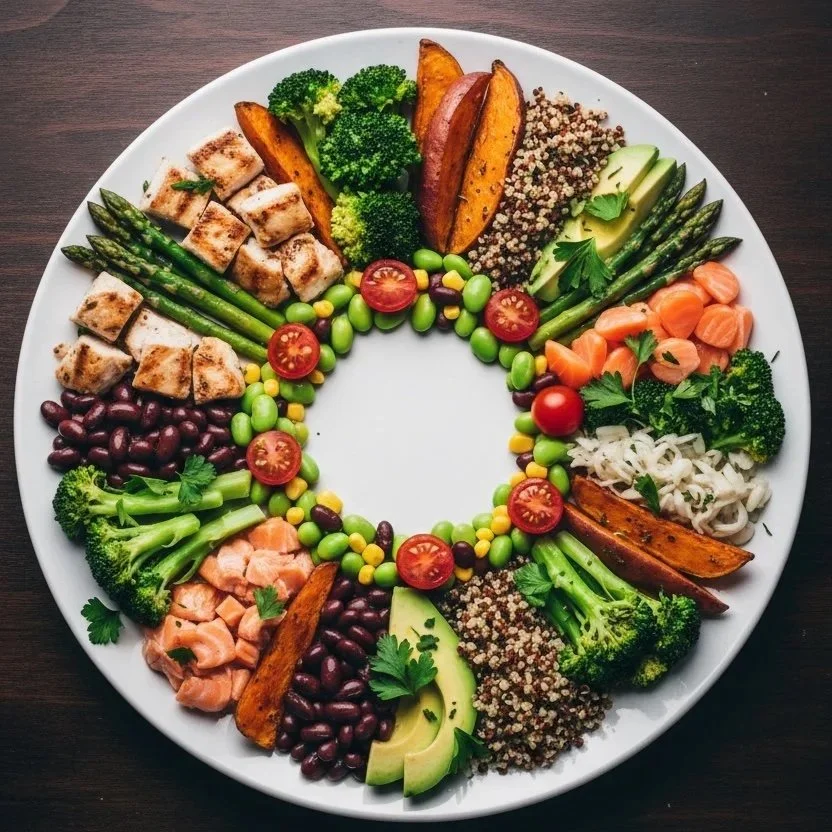
Healthy foods to boost health and energy
In a world full of conflicting nutrition advice, many people feel overwhelmed about where to start. The truth is that improving your health does not usually require extreme diets or complicated meal plans. Small, consistent changes to everyday eating habits can have a powerful impact on energy levels, weight management, and long-term wellbeing.
As a nutrition coach, my focus is on helping people make practical and sustainable changes that fit around busy work and family life. Below are seven simple nutrition habits that are supported by research and can help you build a healthier relationship with food.
1. Include Protein with Every Meal
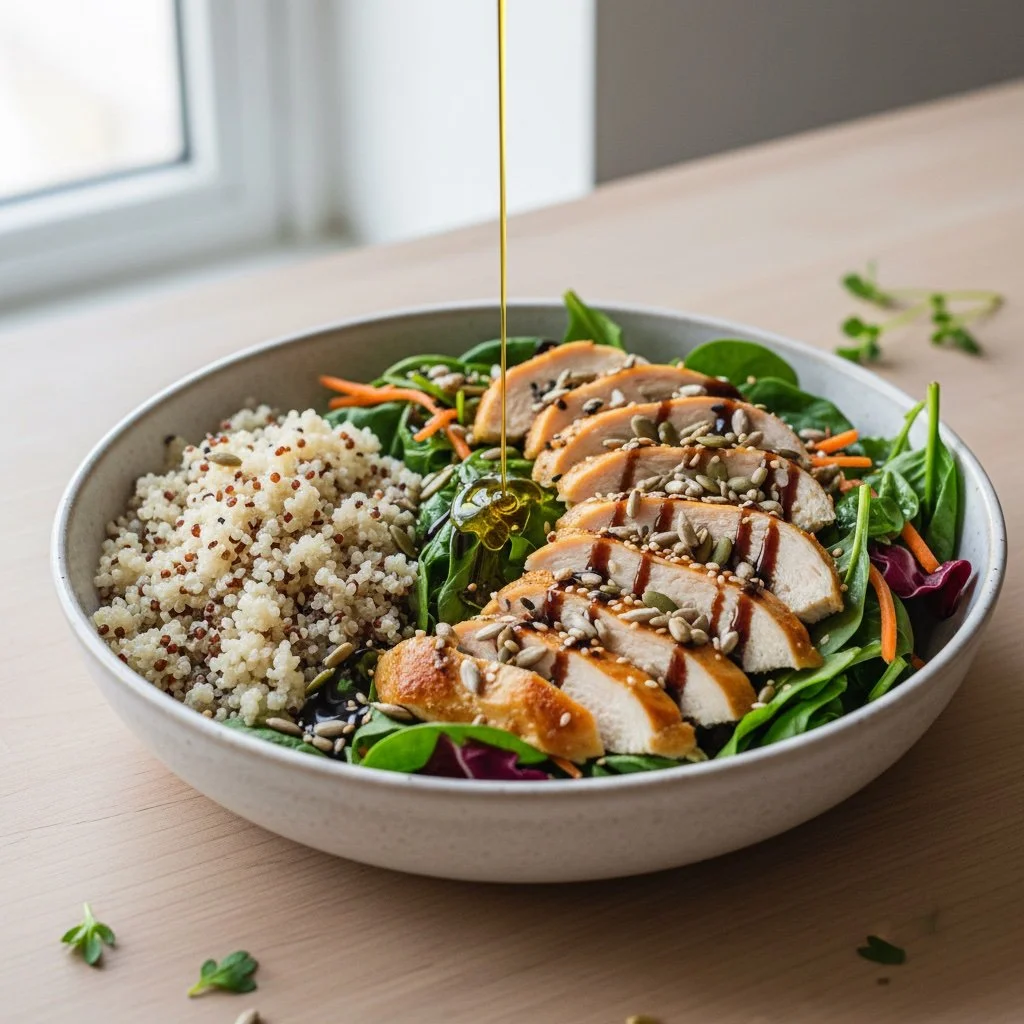
High protein meal with quinoa and grilled chicken
Protein plays an important role in maintaining muscle mass, supporting metabolism, and helping you feel fuller for longer. Meals that contain adequate protein can help regulate appetite and reduce the likelihood of overeating later in the day.
Research suggests that protein has a higher satiety effect compared with carbohydrates and fats, meaning it can help people feel satisfied after meals and reduce cravings (Leidy et al., 2015).
Examples of simple protein sources include:
Eggs
Greek yoghurt
Fish or lean meats
Beans and lentils
Tofu or plant-based alternatives
Including a source of protein with each meal can help stabilise blood sugar levels and maintain energy throughout the day.
2. Build Balanced Meals

What a balance plate looks like: Half vegetables, quarter proteins, quarter carbs
One of the simplest ways to improve diet quality is to focus on building balanced meals. A balanced plate typically includes:
Vegetables or fruit
A source of protein
Whole-grain carbohydrates
Healthy fats
This approach provides a range of essential nutrients and helps maintain steady energy levels. Balanced meals are also associated with improved diet quality and long-term health outcomes (U.S. Department of Agriculture, 2020).
For example, a balanced meal might include grilled salmon, brown rice, and a portion of roasted vegetables.
3. Reduce Ultra-Processed Foods
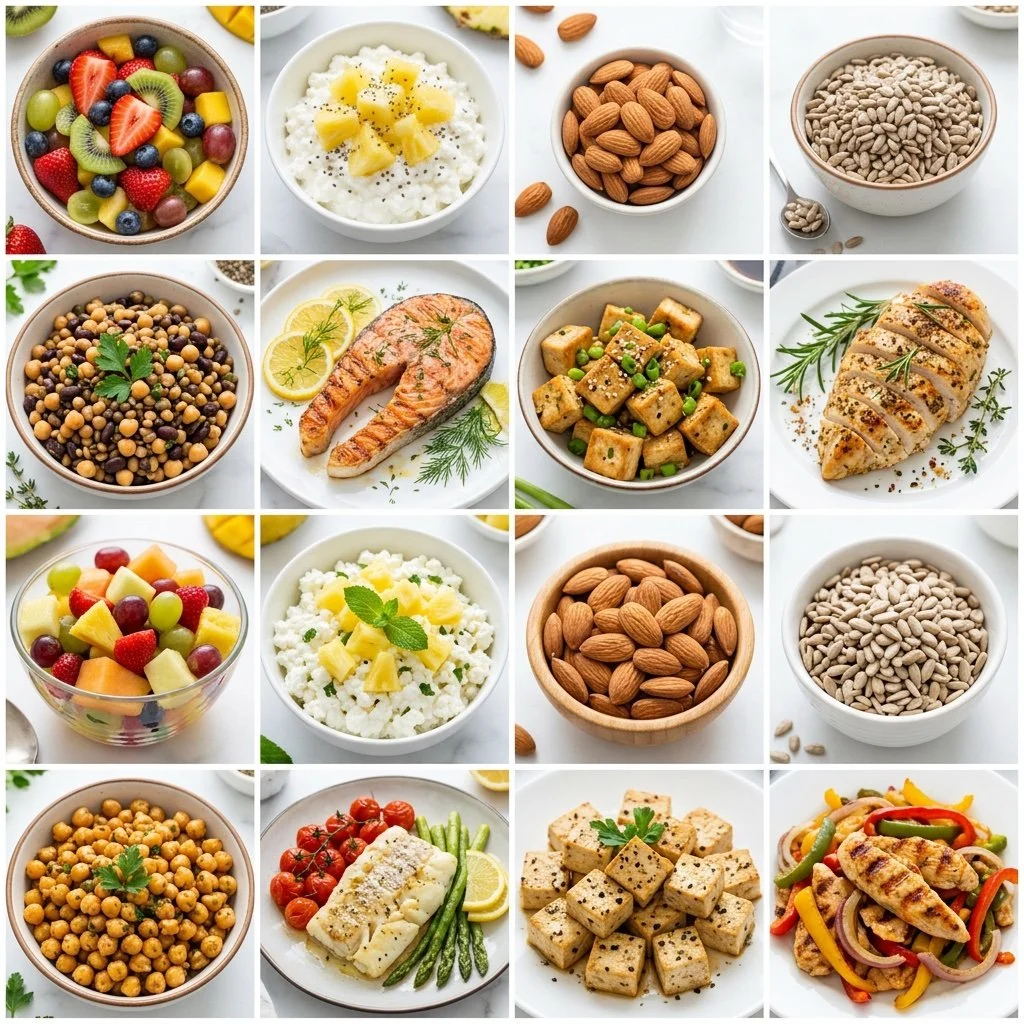
Healthy alternatives to ultra processed foods
Ultra-processed foods are widely available and convenient, but they are often high in sugar, salt, and unhealthy fats while being low in essential nutrients.
Research has shown that higher consumption of ultra-processed foods is associated with increased calorie intake and weight gain (Hall et al., 2019). These foods can also contribute to energy crashes and frequent hunger.
This does not mean eliminating convenience foods entirely, but focusing more on whole or minimally processed foods such as:
Fresh vegetables and fruits
Whole grains
Nuts and seeds
Lean proteins
Small changes, such as swapping processed snacks for yoghurt, fruit, or nuts, can make a meaningful difference.
4. Stay Properly Hydrated

Keep a bottle of water with you at all times to stay hydrated.
Hydration is often overlooked but plays a crucial role in overall health. Even mild dehydration can affect energy levels, concentration, and physical performance.
The European Food Safety Authority recommends a daily water intake of around 2.0 litres for women and 2.5 litres for men, including fluids from food and drinks (EFSA, 2010).
Signs you may need to drink more water include:
Feeling fatigued
Difficulty concentrating
Headaches
Dry mouth
Keeping a water bottle nearby and drinking regularly throughout the day can help maintain hydration.
5. Plan Simple Meals for Busy Days

Prep once, enjoy all week! No meal time chaos
Many people struggle to eat well simply because life gets busy. Planning a few simple meals in advance can make healthy eating much easier during the week.
Meal planning does not need to be complicated. Preparing a few staple ingredients in advance, such as cooked grains, roasted vegetables, or protein sources, can make it easier to assemble balanced meals quickly.
Studies suggest that meal planning is associated with improved diet quality and greater adherence to healthy eating patterns (Ducrot et al., 2017).
6. Improve Breakfast Choices

High protein healthy breakfasts keep you energised through the morning when breakfast becomes a habit.
Breakfast can help provide energy and nutrients to start the day. Choosing a balanced breakfast that includes protein, fibre, and healthy fats can help maintain concentration and prevent mid-morning hunger.
Examples of balanced breakfasts include:
Greek yoghurt with fruit and nuts
Porridge with seeds and berries
Eggs with whole-grain toast and vegetables
Regular breakfast consumption has been linked to improved diet quality and better weight management in some populations (Timlin & Pereira, 2007).
7. Focus on Gradual, Sustainable Changes

Focus on one gradual change at a time. Progress beats perfection when reaching for your goals.
Perhaps the most important habit is focusing on progress rather than perfection. Extreme diets often lead to short-term results but are difficult to maintain.
Sustainable behaviour change tends to occur through small, gradual adjustments that become part of everyday life. Research on behaviour change consistently shows that incremental habits are more likely to be maintained long term (Lally et al., 2010).
For many people, improving just one or two habits at a time can lead to meaningful improvements in health over time.
References
Ducrot, P., Méjean, C., Aroumougame, V., et al. (2017). Meal planning is associated with food variety, diet quality and body weight status in a large sample of French adults. International Journal of Behavioral Nutrition and Physical Activity. https://www.researchgate.net/publication/313265513_Meal_planning_is_associated_with_food_variety_diet_quality_and_body_weight_status_in_a_large_sample_of_French_adults
EFSA Panel on Dietetic Products, Nutrition and Allergies. (2010). Scientific opinion on dietary reference values for water. European Food Safety Authority. https://efsa.onlinelibrary.wiley.com/doi/epdf/10.2903/j.efsa.2010.1459
Hall, K. D., Ayuketah, A., Brychta, R., et al. (2019). Ultra-processed diets cause excess calorie intake and weight gain. Cell Metabolism. https://www.sciencedirect.com/science/article/pii/S1550413119302487
Lally, P., van Jaarsveld, C. H., Potts, H. W., & Wardle, J. (2010). How habits are formed: modelling habit formation in the real world. European Journal of Social Psychology. https://onlinelibrary.wiley.com/doi/abs/10.1002/ejsp.674
Leidy, H. J., Clifton, P. M., Astrup, A., et al. (2015). The role of protein in weight loss and maintenance. American Journal of Clinical Nutrition.https://www.sciencedirect.com/science/article/pii/S0002916523274274
Timlin, M. T., & Pereira, M. A. (2007). Breakfast frequency and quality in the etiology of adult obesity and chronic diseases. Nutrition Reviews.
U.S. Department of Agriculture. (2020). Dietary Guidelines for Americans. https://pubmed.ncbi.nlm.nih.gov/17605303/
